A Bundle is already in your cart
You can only have one active bundle against your account at one time.
If you wish to purchase a different bundle please remove the current bundle from your cart.
You have unused credits
You still have credits against a bundle for a different licence. Once all of your credits have been used you can purchase a newly licenced bundle.
If you wish to purchase a different bundle please use your existing credits or contact our support team.
01:42

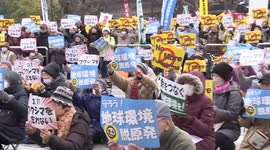
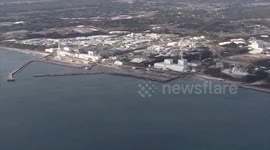
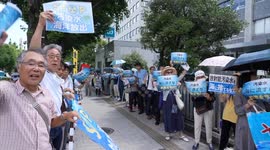
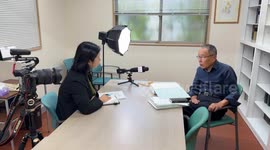
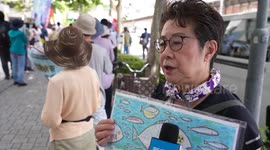
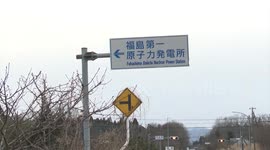
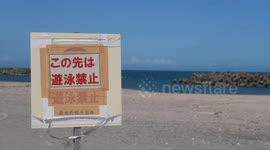
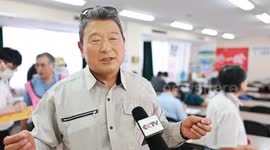
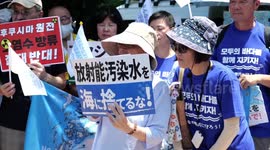
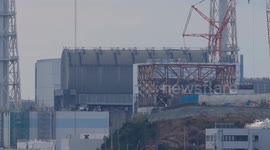
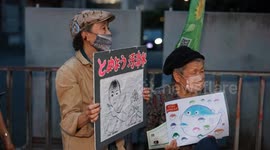
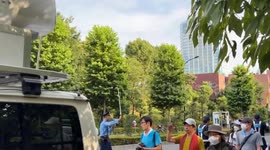
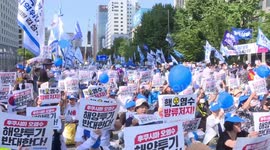
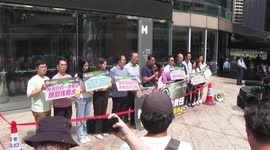
Japan: Japanese protesters oppose government's decision to restart Kashiwazaki-Kariwa Nuclear Power Plant

Shotlist Tokyo, Japan - Jan 5, 2026 1. Various of protesters, banners in front of Ministry of Economy, Trade and Industry 2. SOUNDBITE (Japanese) protester (name not given) (partially overlaid with shot 3): "I oppose the decision, because this is fundamentally a flawed power plant, much like the Fukushima Daiichi nuclear power plant when accident happened. There are problems with the operation of Units 6 and 7 at the Kashiwazaki-Kariwa. These problems have not been properly resolved, yet they are being concealed while the restart is pushed forward anyway. Therefore, I strongly oppose it." SHOT OVERLAYING SOUNDBITE 3. Various of protesters SHOT OVERLAYING SOUNDBITE 4. SOUNDBITE (Japanese) protester (name not given): "No one has seriously reflected on the war. Against this backdrop, they now seek to restart the nuclear power plant and 'revive' nuclear weapons. I'm deeply concerned that the situation has reached this point. I will stop this at all costs." 5. SOUNDBITE (Japanese) protester (name not given): "The postwar democracy and the pacifist constitution are collapsing step by step. They have been doing the same thing since the very beginning, since long ago. Now, under the Takaichi cabinet, they are merely exposing their true nature more blatantly. Such words would have been unthinkable in the immediate postwar era, during the administration of former Japanese Prime Minister Kakuei Tanaka." 6. Various of protesters 7. Various of building of Ministry of Economy, Trade and Industry Storyline Japanese protesters gathered in front of the Ministry of Economy, Trade and Industry on Monday, voicing their opposition to the government's decision to restart the Kashiwazaki-Kariwa Nuclear Power Plant in Niigata Prefecture. The Kashiwazaki-Kariwa plant, about 220 km northwest of Tokyo, was among the 54 reactors shut down following the March 2011 core meltdowns at the tsunami-stricken Fukushima Daiichi plant of Tokyo Electric Power Company (TEPCO). Japan's Niigata Prefecture approved the restart of the Kashiwazaki-Kariwa plant in December 2025, local media reported. Upon local consent, the No. 6 reactor at the seven-unit complex is expected to be back online around Jan 20, becoming the first nuclear reactor owned by TEPCO to restart since the 2011 nuclear disaster, public broadcaster NHK reported. Protesters said that the lingering issues from the accident at Fukushima remain unresolved, and the Japanese government has failed to assume corresponding responsibility for the disaster. Against this backdrop, the decision to restart the Kashiwazaki-Kariwa plant, one of the world's largest nuclear power plant, is deeply concerning, according to protesters. "I oppose the decision, because this is fundamentally a flawed power plant, much like the Fukushima Daiichi nuclear power plant when accident happened. There are problems with the operation of Units 6 and 7 at the Kashiwazaki-Kariwa. These problems have not been properly resolved, yet they are being concealed while the restart is pushed forward anyway. Therefore, I strongly oppose it," said a protester. Additionally, protesters expressed dissatisfaction with Japan's Liberal Democratic Party's attempt to revise the country's long-standing Three Non-Nuclear Principles, saying that such moves could lead Japan to repeat past mistakes of war. The Three Non-Nuclear Principles, not possessing, not producing and not allowing introduction of nuclear weapons into Japanese territory, were first declared in the Diet, Japan's parliament, by then Japanese Prime Minister Eisaku Sato in 1967 and viewed as a national credo. Current Prime Minister Sanae Takaichi was considering reviewing the third of the Three Non-Nuclear Principles, which prohibits nuclear weapons from entering Japan's territory, raising strong doubts and concerns at home. "No one has seriously reflected on the war. Against this backdrop, they now seek to restart the nuclear power plant and 'revive' nuclear weapons. I'm deeply concerned that the situation has reached this point. I will stop this at all costs," said a protester. "The postwar democracy and the pacifist constitution are collapsing step by step. They have been doing the same thing since the very beginning, since long ago. Now, under the Takaichi cabinet, they are merely exposing their true nature more blatantly. Such words would have been unthinkable in the immediate postwar era, during the administration of former Japanese Prime Minister Kakuei Tanaka," said another protester. [Restrictions: No access Chinese mainland]
Categories
From the blog
Stories not Stock: 3 Reasons Why You Should Use UGC Instead of Stock Video
Video content is an essential part of a brand’s marketing strategy, and while stock footage has been a reliable go-to in the past, forward-thinking companies are looking to user-generated content for their video needs.
View post