A Bundle is already in your cart
You can only have one active bundle against your account at one time.
If you wish to purchase a different bundle please remove the current bundle from your cart.
You have unused credits
You still have credits against a bundle for a different licence. Once all of your credits have been used you can purchase a newly licenced bundle.
If you wish to purchase a different bundle please use your existing credits or contact our support team.
Appears in Newsflare picks
02:12

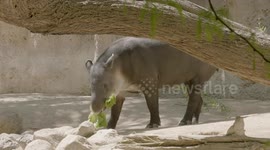
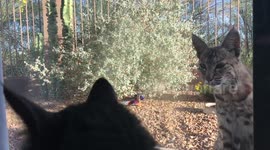
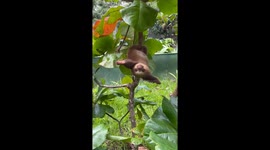
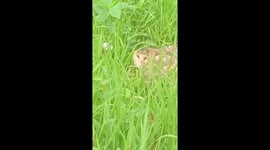
Rehabilitated wild birds and mammals returned to Guatemalan jungle

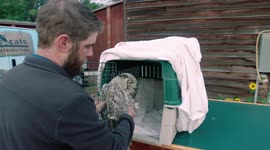
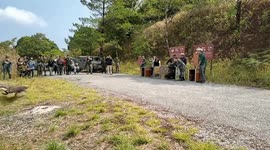
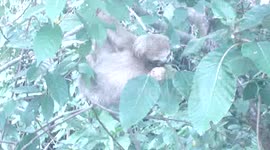
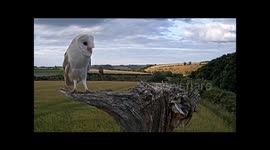
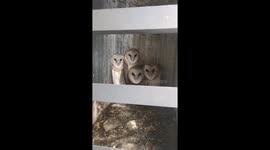
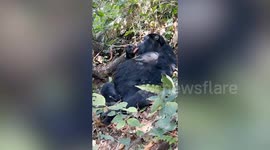
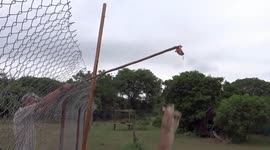
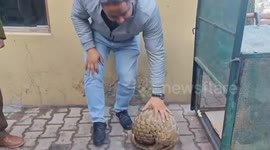
This is the heartwarming moment rehabilitated wild birds and mammals were returned to the Guatemalan jungle.
The 25 mammals and nine wild birds, many listed as endangered or vulnerable nationally, were released back into their natural habitat after being rescued from negative interactions with humans.
The release took place in Yaxha Nakum Naranjo National Park in November and was carried out by Asociacion Rescate y Conservacion de Vida Silvestre (ARCAS) and Humane World for Animals Costa Rica.
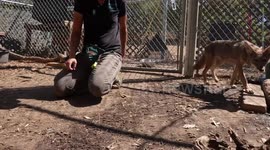
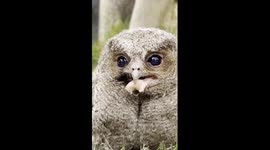
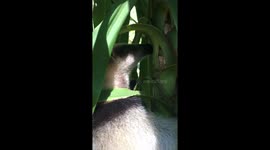
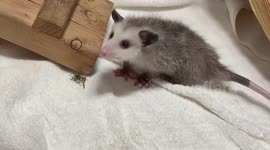
Authorities said the animals included opossums, Yucatan squirrels, an anteater, pygmy and brown owls, coatis, grey hawks, and coyotes.
Many arrived at the ARCAS rescue centre as babies or juveniles. Four opossum babies, for example, lost their mother after she was hit by a car. Another squirrel had dental problems from being fed inappropriate food while kept as a pet.
A juvenile coyote, malnourished and with superficial lesions, fully recovered after treatment with antiparasitic care, nutrition, and skin therapy. An adult coati, previously kept as a pet, quickly returned to wild behaviour, allowing its release. The tamandua, or anteater, thrived thanks to isolation from humans and a spacious enclosure.
Andrea Borel, executive director of Humane World for Animals Costa Rica, said: 'Many animals are captured and kept as pets in inadequate conditions and given food inappropriate for their needs, leading to malnutrition and other health problems which requires long periods of rehabilitation so that they can learn the skills necessary to survive in the wild.'
Fernando Martinez, director of ARCAS Peten, added: 'Each release is the culmination of a process that begins when an animal arrives at our rescue centre.
'It always involves the animal going through different stages and being able to adapt and survive in their natural habitat.'
The rehabilitation process teaches animals to fly, jump, run, hide from predators, and hunt, strengthening endangered species populations and ensuring their safe return to the wild.
Officials said the release was authorised by Guatemala's National Council of Protected Areas (CONAP).
Categories
From the blog
Stories not Stock: 3 Reasons Why You Should Use UGC Instead of Stock Video
Video content is an essential part of a brand’s marketing strategy, and while stock footage has been a reliable go-to in the past, forward-thinking companies are looking to user-generated content for their video needs.
View post