A Bundle is already in your cart
You can only have one active bundle against your account at one time.
If you wish to purchase a different bundle please remove the current bundle from your cart.
You have unused credits
You still have credits against a bundle for a different licence. Once all of your credits have been used you can purchase a newly licenced bundle.
If you wish to purchase a different bundle please use your existing credits or contact our support team.
Appears in Newsflare picks
02:55

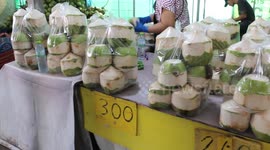
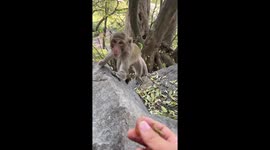
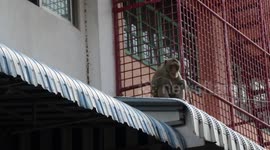
Abused monkey used to pick coconuts is found gagged and bound on market stall before kind passer-by releases him

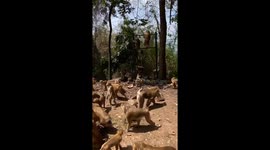
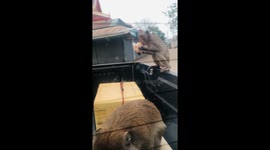
This is the harrowing moment a monkey used in the coconut picking trade was rescued from a market and released.
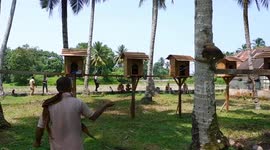
The male primate was battered and bruised having worked on a farm being forced to pluck the fruits from trees in Vientiane, Laos.
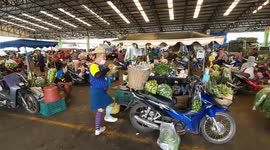
Having become too old for the work, the animal was neglected and appeared to have been abused before being bound by its hands, feet and gagged with a piece of wood to be sold at a rural market.
Kind resident Sommai said he noticed the monkey in a pitiful condition on a stall on February 6 and bought it for the asking price, which was around five dollars. He then drove to the jungle and carried it out before using a knife to cut it loose. The terrified simian immediately fled after being freed.
Sommai said: ‘I was fighting back my tears when I saw the monkey. It was in such a terrible condition that I had to save it. I knew I could not leave it there to die. Even if someone bought him, I didn't think he would have a good life.
'Now I feel better knowing that the monkey is free, living in the wild where he is supposed to be.'
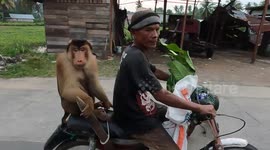
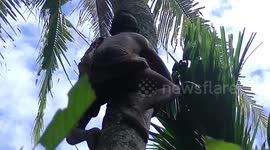
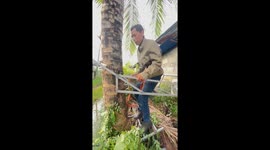
In Thailand and Laos, monkeys are used to harvest coconuts. The primates are trained to climb the trees to pull the coconuts from the top, which are used to produce coconut milk.
However, the controversial practice sparked an international outcry in 2020 after being highlighted by the leading animal rights group PETA. They reported that the monkeys are snatched from the wild and trained to pick up to 1,000 coconuts a day to supply two of the country's main brands for coconut milk - Aroy-D and Chaokoh.
Major western retailers in the United States and the United Kingdom, including Waitrose, Ocado, Co-op and Boots, vowed to stop selling coconut milk from Thailand. Coconuts harvested in neighbouring Laos are also shipped to factories Thailand.
A PETA spokesman said: 'Following Peta Asia’s investigation, more than 15,000 stores will no longer purchase these brands’ products, with the majority also no longer buying any coconut products sourced from Thailand monkey labour.'
Categories
From the blog
Stories not Stock: 3 Reasons Why You Should Use UGC Instead of Stock Video
Video content is an essential part of a brand’s marketing strategy, and while stock footage has been a reliable go-to in the past, forward-thinking companies are looking to user-generated content for their video needs.
View post